
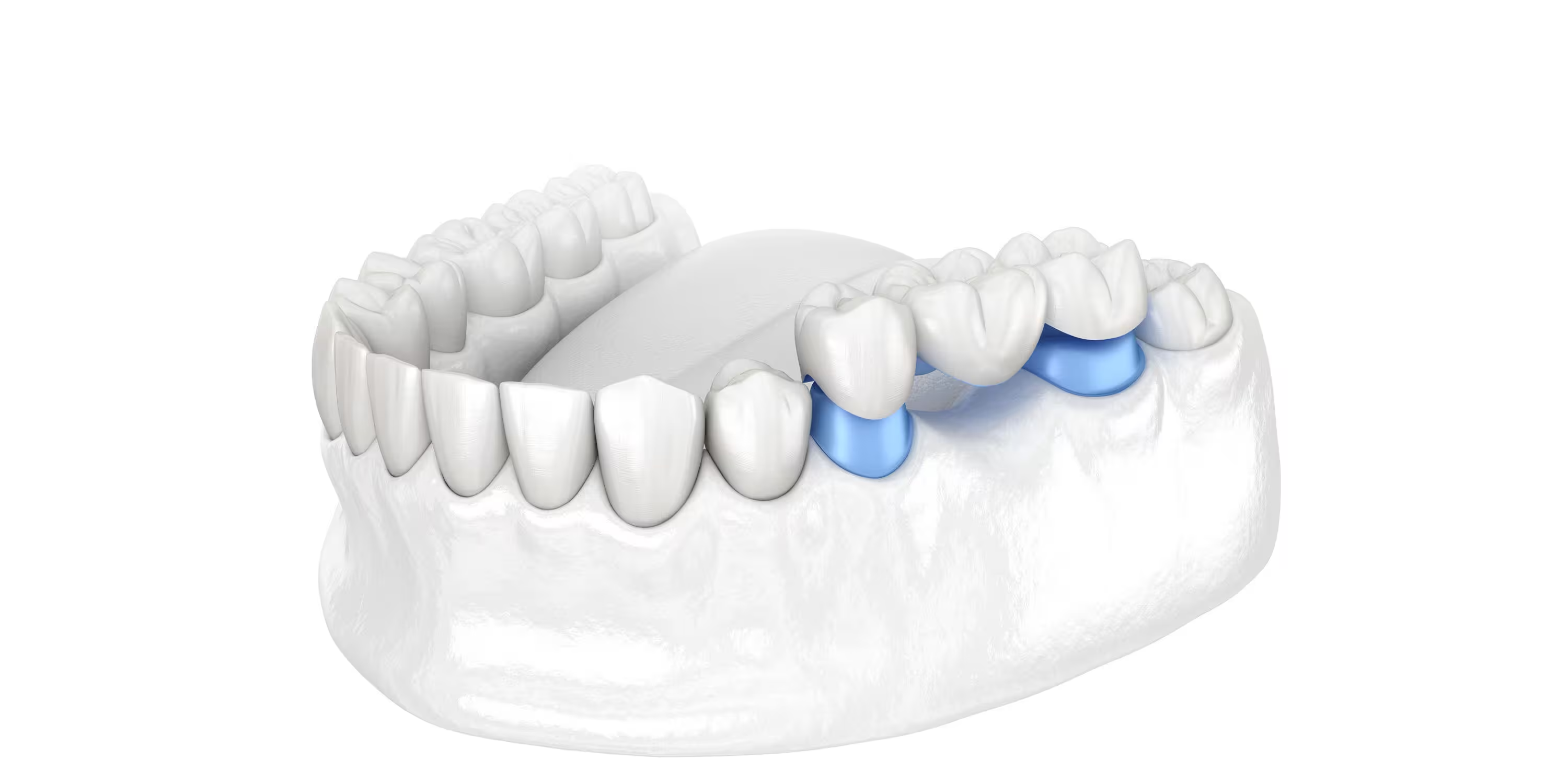
A crown is a cap that covers a whole tooth, restoring its shape and strength when a filling is no longer enough. Teeth that are heavily filled, cracked, worn down or treated with a root canal often need one to keep them working for years to come.
It is one of the most routine things we do, and the process is calmer than the word crown suggests. For most teeth it is two visits, and here is what each one involves.
Preparing the tooth: what it feels like
At the first visit the tooth is numbed with local anaesthetic, so you feel no pain. The tooth is then shaped so the crown can fit over it like a close-fitting cap, and any weak or decayed parts are cleaned away in the process. What you feel is water, a little vibration and some pushing, not sharpness.
We then take a scan or impression of the prepared tooth and the ones around it. That is the blueprint the crown is made from, so it meets your bite exactly.
The temporary crown
Because the finished crown is made in a laboratory to match your tooth, you wear a temporary crown in the meantime. It protects the prepared tooth and lets you eat and smile normally between visits.
The temporary is held on with a gentle cement, so we ask you to avoid very sticky or hard food on that side and to floss carefully around it. If it ever comes loose before your next visit, keep it and ring us, and we pop it back on.
The day the permanent crown goes on
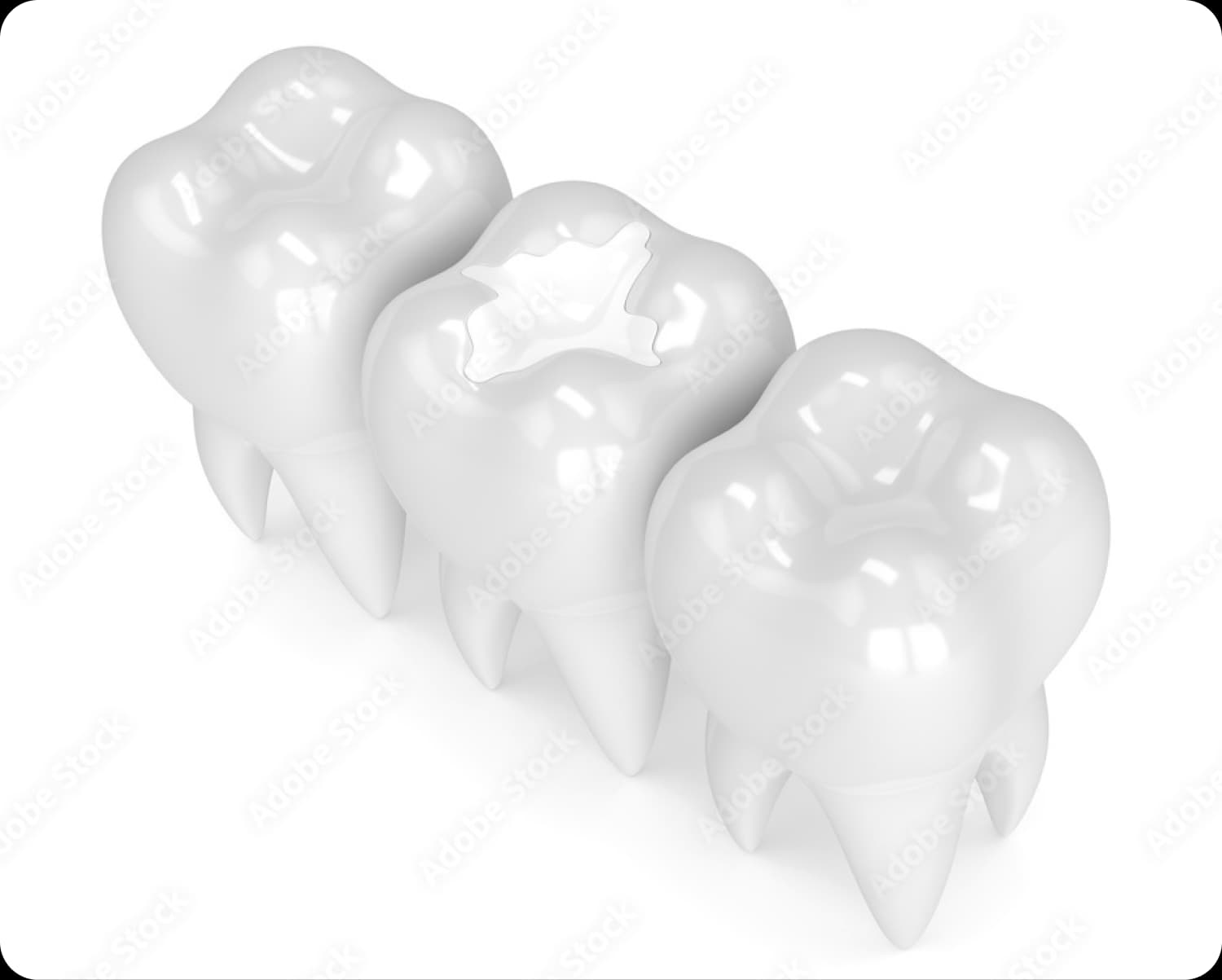
At the second visit the temporary comes off and the permanent crown is tried in. We check that it fits, that the colour matches, and that it meets your bite comfortably, adjusting it until it feels like your own tooth. When you are happy, it is cemented firmly in place.
This visit is usually quick and comfortable, and often needs little or no anaesthetic. The tooth may feel slightly different for a day or two as you get used to it, then it simply becomes part of your mouth.
Will it hurt, and how long does it last
The procedure itself does not hurt, because the tooth is numb. Afterwards, a little sensitivity to hot or cold for a few days is normal and settles on its own. Ordinary pain relief covers anything more, and lasting pain is not expected.
A well-made crown on a well-cared-for tooth lasts many years, often well over a decade. You look after it with normal brushing and flossing and your regular check-ups, the same as any other tooth.
If the tooth is sore or broken now
If a tooth has cracked, lost a large filling, or is painful, the sooner it is looked at the more of it we can usually save, and the more straightforward the crown. We keep room each day for people who need to be seen quickly.
We are at 12 Lake Esplanade in central Queenstown, open Monday to Friday, 9am to 5pm, with free off-street parking. Ring 03 441 8248 or send an enquiry through the site, and we will set out the plan and the full fee before anything starts.
General information, not a diagnosis. Written and reviewed by Dr Adrian Paul, BDS (Otago), principal dentist at Lakeside Dental Practice, Queenstown. If something is worrying you, see a dentist.