
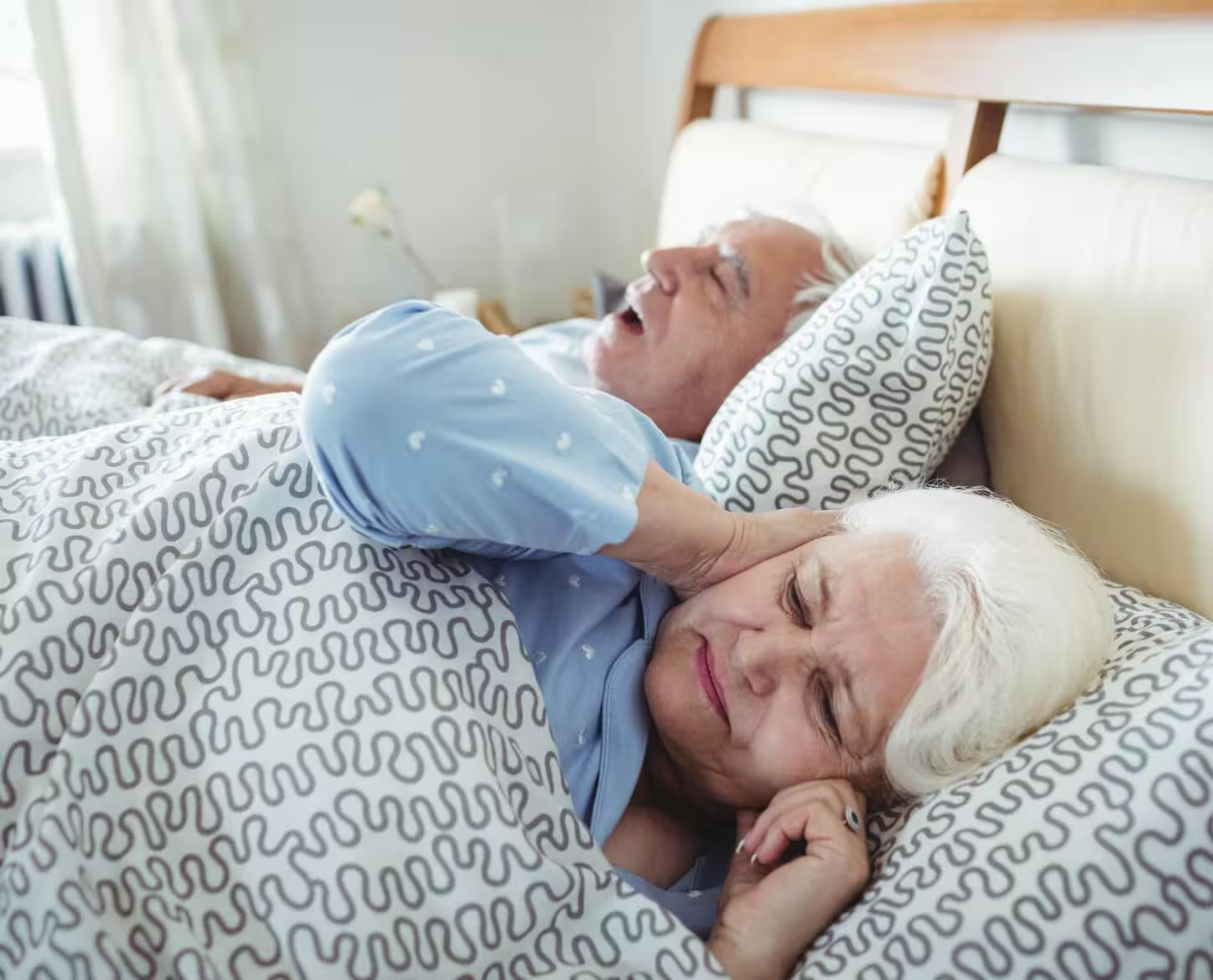
Why snoring happens
During sleep the muscles of the throat relax. As the airway narrows, air passing through vibrates the soft tissue - that is the noise. If the airway closes altogether, breathing stops briefly and the sleeper partially wakes to restart it. Repeated through the night, that is obstructive sleep apnoea.
When it is more than snoring
Sleep apnoea is a medical condition with real consequences, and it is not something a dentist diagnoses. If several of the following apply, see your GP about a proper sleep assessment.
- A partner has noticed you stop breathing during sleep
- Waking with a gasp or choking sensation
- Persistent daytime sleepiness despite enough hours in bed
- Waking with headaches or a very dry mouth
- Difficulty concentrating, or unusual irritability
- Falling asleep during the day when you do not intend to
How the device works
A mandibular advancement device looks a little like two thin night guards joined together. It holds the lower jaw slightly forward, which pulls the tongue and soft tissue away from the back of the throat and keeps the airway open.
It is made from impressions of your teeth and adjusted over several appointments to find the position that works with the least jaw discomfort. Some tightness in the jaw in the mornings is common at first and usually settles.
Where it fits alongside medical care
For simple snoring, an oral device is often all that is needed. For diagnosed sleep apnoea, we work alongside your doctor or sleep physician - CPAP remains the most effective treatment for severe apnoea, but oral devices are a recognised option for mild to moderate cases, and for people who genuinely cannot tolerate CPAP.
We will not fit a device for apnoea without proper medical assessment. Treating the noise while leaving an untreated airway problem behind it would be doing you no favours.