
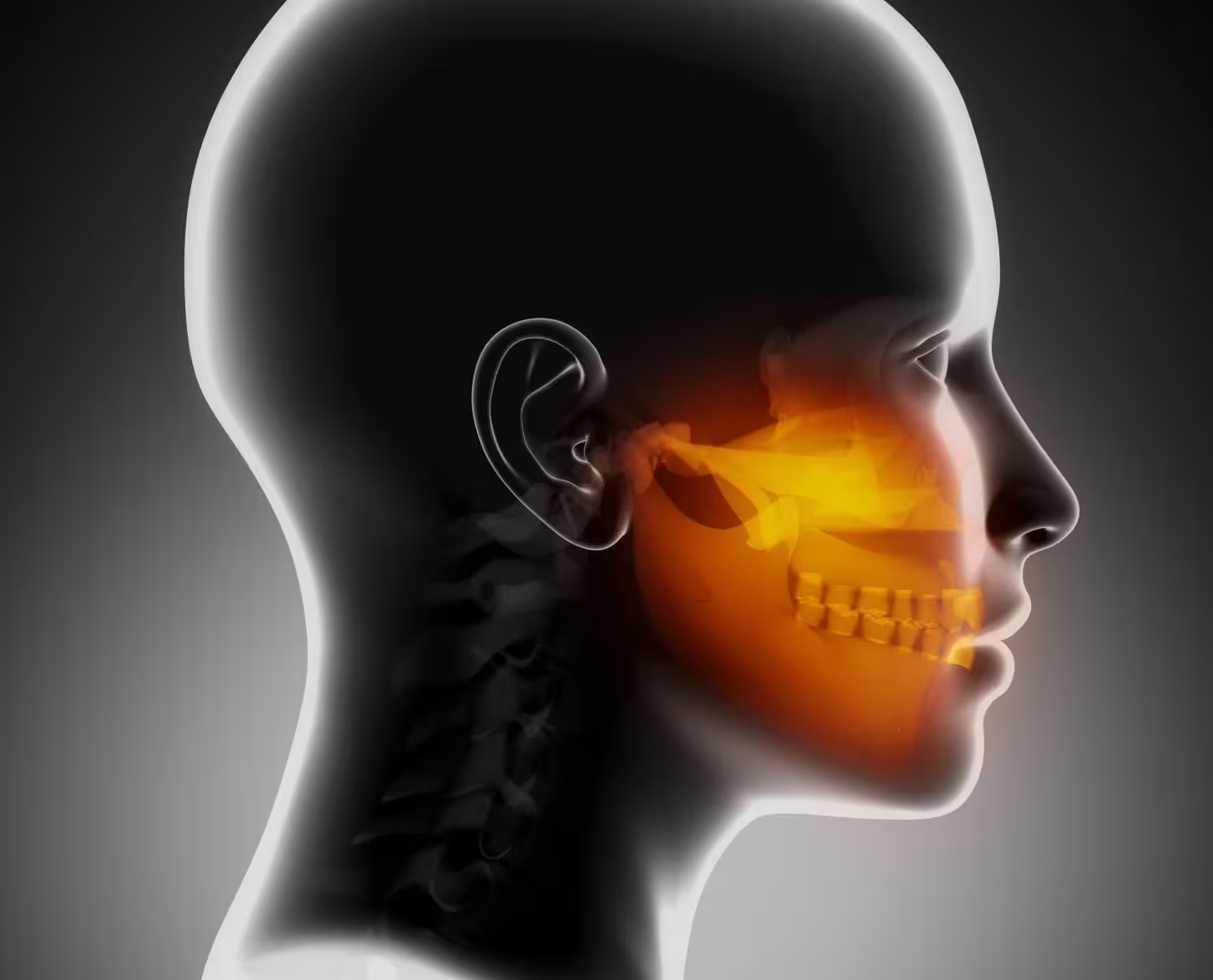
When wisdom teeth cause problems
Trouble usually comes from a tooth that can't come through properly - impacted, in dental terms. It may push against the tooth in front, come through at an angle, or stay partly under the gum where the flap of tissue over it traps food and bacteria.
- Pain or pressure at the back of the jaw
- Swollen, red or bleeding gum over a partly erupted tooth
- Recurring infections in the same spot
- Difficulty opening your mouth fully
- Decay in the wisdom tooth or the tooth in front of it
- A bad taste or persistent bad breath from the area
Not every wisdom tooth needs removing
If a wisdom tooth has come through cleanly, is in a sensible position and you can keep it clean, there's usually no reason to remove it. We assess with an examination and an X-ray to see where the roots sit and how close they are to the nerve, then tell you honestly whether it needs doing.
Having one removed
Straightforward extractions are done here under local anaesthetic, with sedation available if you'd prefer. More complex cases - deeply impacted teeth, or roots sitting close to the nerve - are sometimes better referred to a specialist oral surgeon, and we'll say so if that's the case rather than attempting something that should be done elsewhere.
Expect some swelling and soreness for a few days afterwards. We'll go through aftercare before you leave, and you'll have a number to call if anything worries you.