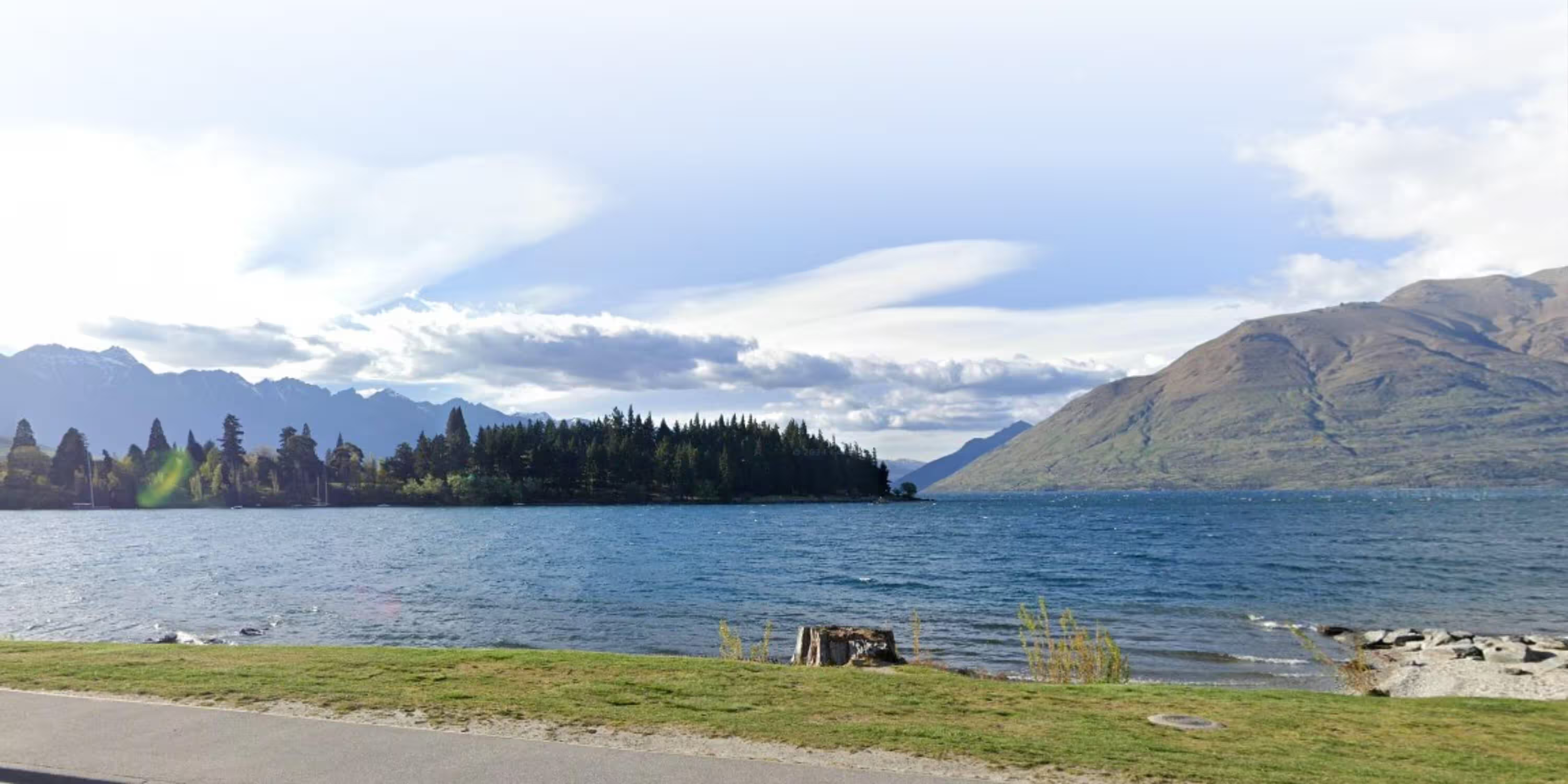
There is a particular kind of misery in dental pain on holiday. You are somewhere beautiful, you have spent real money to be here, and you cannot think about anything except the left side of your face.
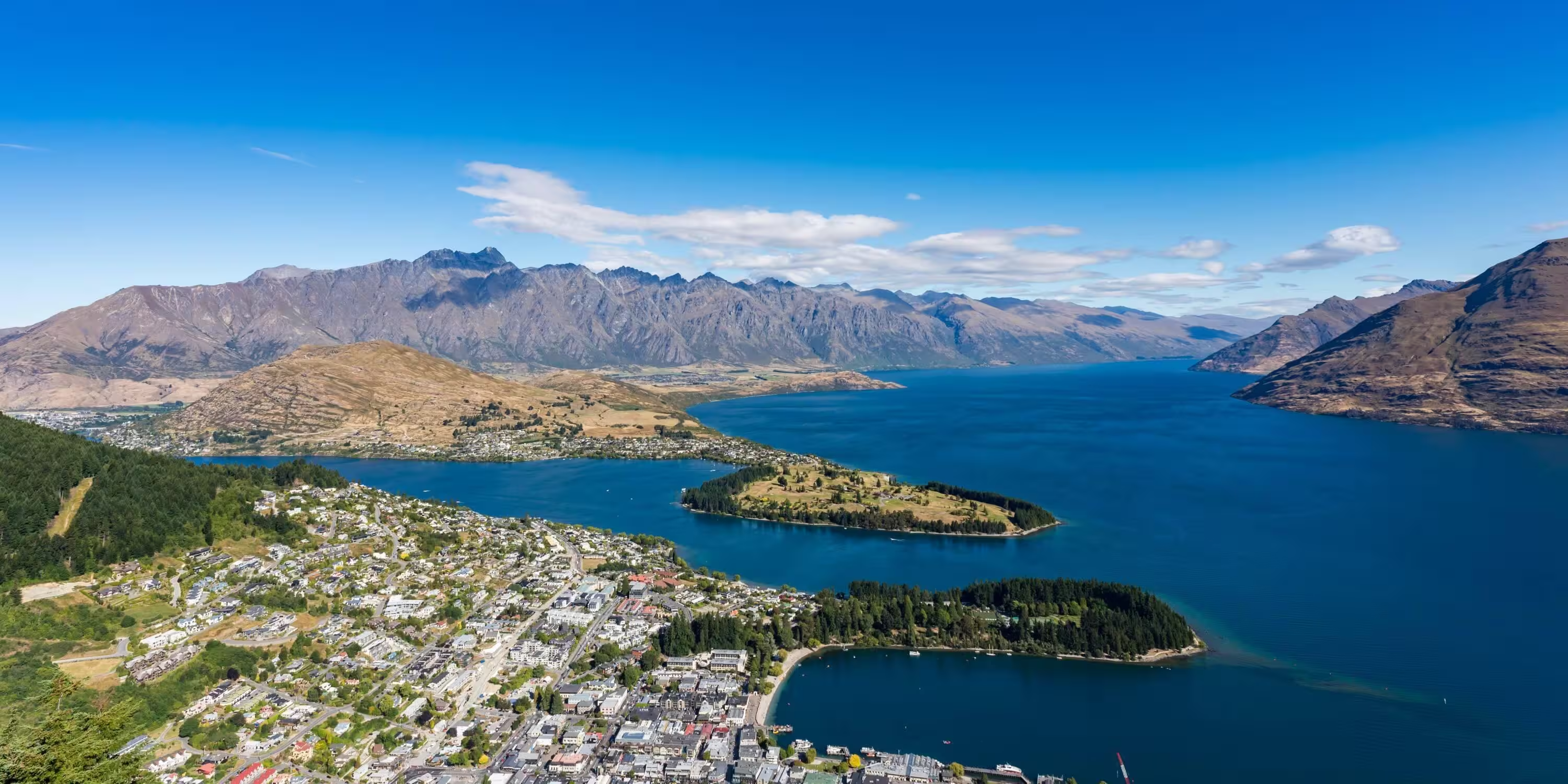
We see a lot of this. Queenstown has a small resident population and an enormous visiting one, and a fair share of our emergency appointments are people who are a long way from their own dentist. Here is how it actually works.
You do not need to be a patient here
This is the first thing people ask and the answer is no. You do not need to be registered with us, you do not need a referral, and you do not need to be a New Zealand resident. Ring 03 441 8248 and tell us what has happened.
Ring early in the day if you possibly can. We keep room for emergencies and frequently fit people in at the end of the afternoon, but that space fills up. A call at nine gives us far more options than a call at four.
What ACC covers - and this surprises people
New Zealand's accident compensation scheme covers accidental injury that happens here, regardless of whether you live here. Visitors are included.
So if you chipped a tooth on the mountain, came off a bike, or fell over, ACC will usually contribute to the cost of treating it. You do not need to have lodged a claim beforehand - we complete the form as part of your appointment.
The important distinction is accident versus decay. ACC covers injury. It does not cover a tooth that has been quietly rotting for two years and chose your holiday to announce itself. That one is on you or your travel insurance.
Travel insurance
Most travel policies cover emergency dental treatment for the relief of sudden pain. Most explicitly exclude routine treatment, anything cosmetic, and pre-existing problems you knew about before you travelled.
Two practical points. First, some insurers want to be contacted before treatment - worth a look at your policy while you are in the waiting room. Second, we will give you an itemised receipt and treatment notes for your claim, so ask for them before you leave rather than emailing from another country three weeks later.
What we will actually do
This depends heavily on your flight, which is why we ask.
If you are here for another fortnight, we can often complete the treatment properly.
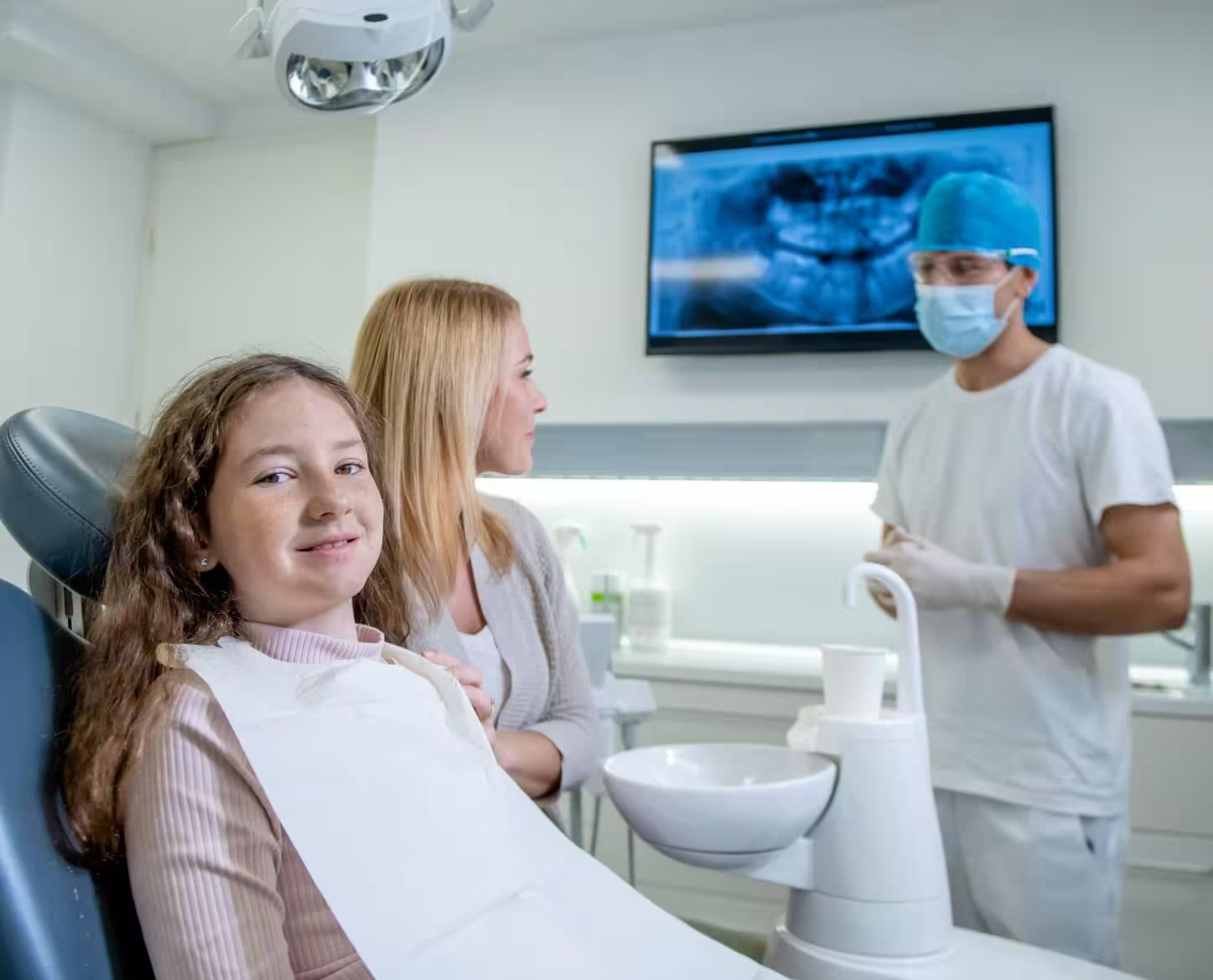
If you fly out in two days, the sensible goal changes. We stabilise the tooth: relieve the pain, remove the infection or decay causing it, and place something that will hold reliably until you get home. Your own dentist finishes the job. That is not a lesser option - it is the right one, because starting complex treatment you cannot follow up is worse than a good temporary.
Flying with a sore tooth
Worth knowing if you are considering toughing it out. Cabin pressure drops during a flight, and gas trapped in an inflamed tooth or a sinus expands as it does. A tooth that is merely annoying on the ground can become genuinely severe at altitude. It even has a name - barodontalgia.
If a tooth is already hurting and you have a long-haul flight ahead, getting it dealt with before you board is a very good idea.
Before you ring, have these ready
- When it started and what it feels like - sharp, throbbing, only with cold, constant
- Whether there is any swelling of the gum, face or jaw
- Whether it followed an accident, which changes the ACC picture
- Any medication you take, and any allergies
- When you fly out
- Your travel insurance details, if you have them to hand
When it is a hospital, not a dentist
Some things are beyond a dental chair. Swelling that is closing your eye, spreading down your neck, or making it hard to swallow or breathe needs an emergency department, not an appointment. Same for a suspected broken jaw or bleeding that will not stop after trauma.
If breathing or swallowing is affected, call 111. That is a genuine emergency and it is rare, but it is worth knowing the line.
Where we are
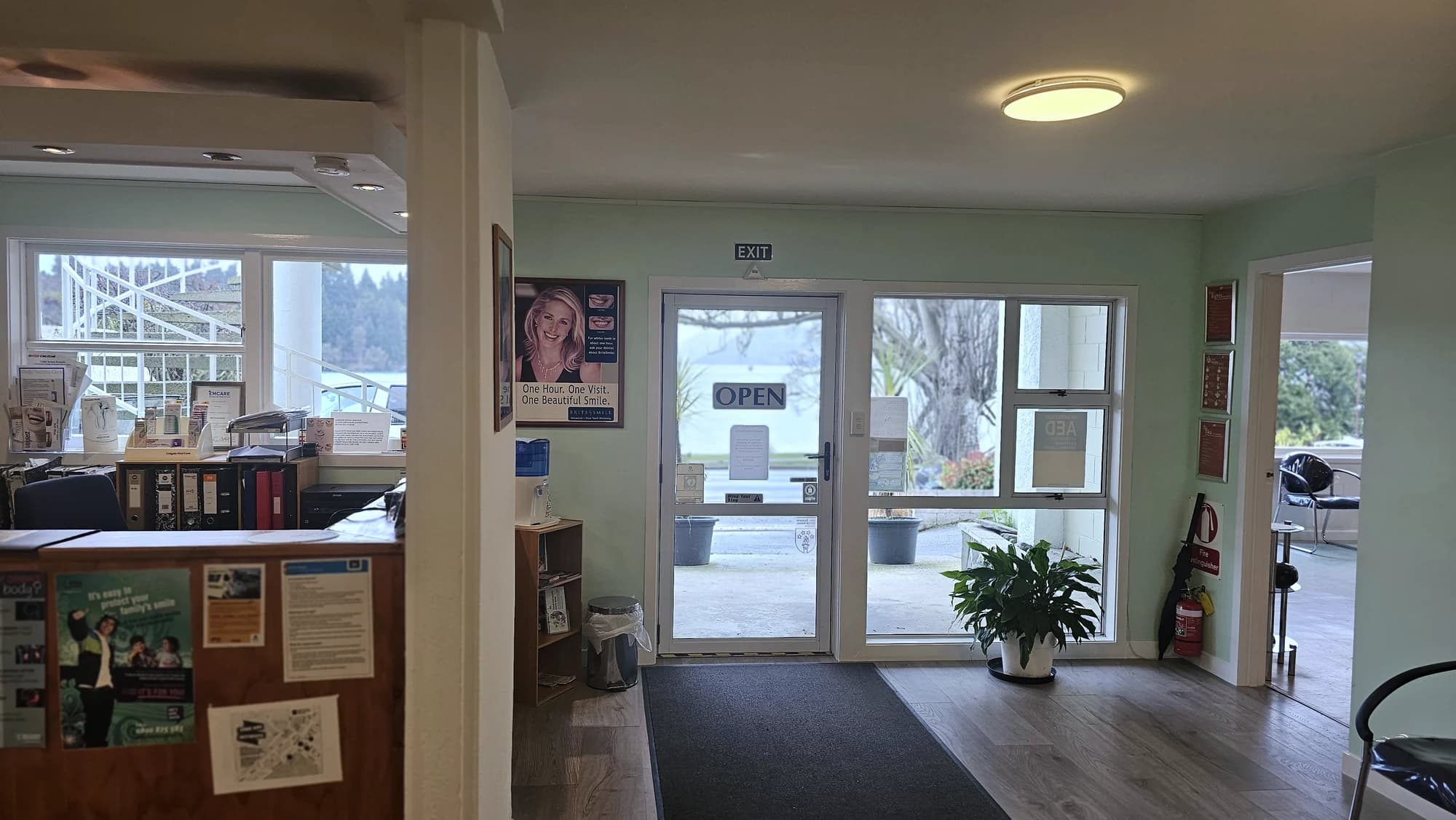
12 Lake Esplanade, on the lakefront in central Queenstown, with free off-street parking - which if you have tried parking in Queenstown, you will appreciate. Monday to Friday, 9am to 5pm, with a weekend on-call service by request.
General information, not a diagnosis. Written and reviewed by Dr Adrian Paul, BDS (Otago), principal dentist at Lakeside Dental Practice, Queenstown. If something is worrying you, see a dentist.