

A filling coming out is disconcerting - usually mid-meal, sometimes with a distinct crunch - but it is rarely an emergency. What it is, reliably, is a problem that gets worse the longer it is left.
What to do straight away
- Rinse your mouth with warm water to clear any debris from the cavity
- Keep the filling if you find it - not to reuse, but it tells us something about how it failed
- Keep the area clean; brush it gently, even though it feels odd
- Avoid chewing on that side
- If it is sensitive, sugar-free gum pressed into the cavity is a reasonable temporary cover, as is a temporary filling material from a pharmacy
- Ring for an appointment in the next few days rather than the next few weeks
Why it should not wait
Two reasons.
The first is decay. The cavity underneath a filling is not sealed any more. It is an open, rough, food-trapping hole in a surface that cannot clean itself, and decay progresses in it considerably faster than on a flat tooth surface.
The second is fracture. A filling does not only fill a hole - it also supports the walls of the tooth around it. Without it, those walls are unsupported and thin, and biting on them can split the tooth. A cusp that breaks off below the gum line takes a straightforward filling replacement and turns it into a crown, a root canal, or an extraction.
So the honest answer is: not an emergency, but not a month either. A week or two is fine. A year is how people end up losing teeth.
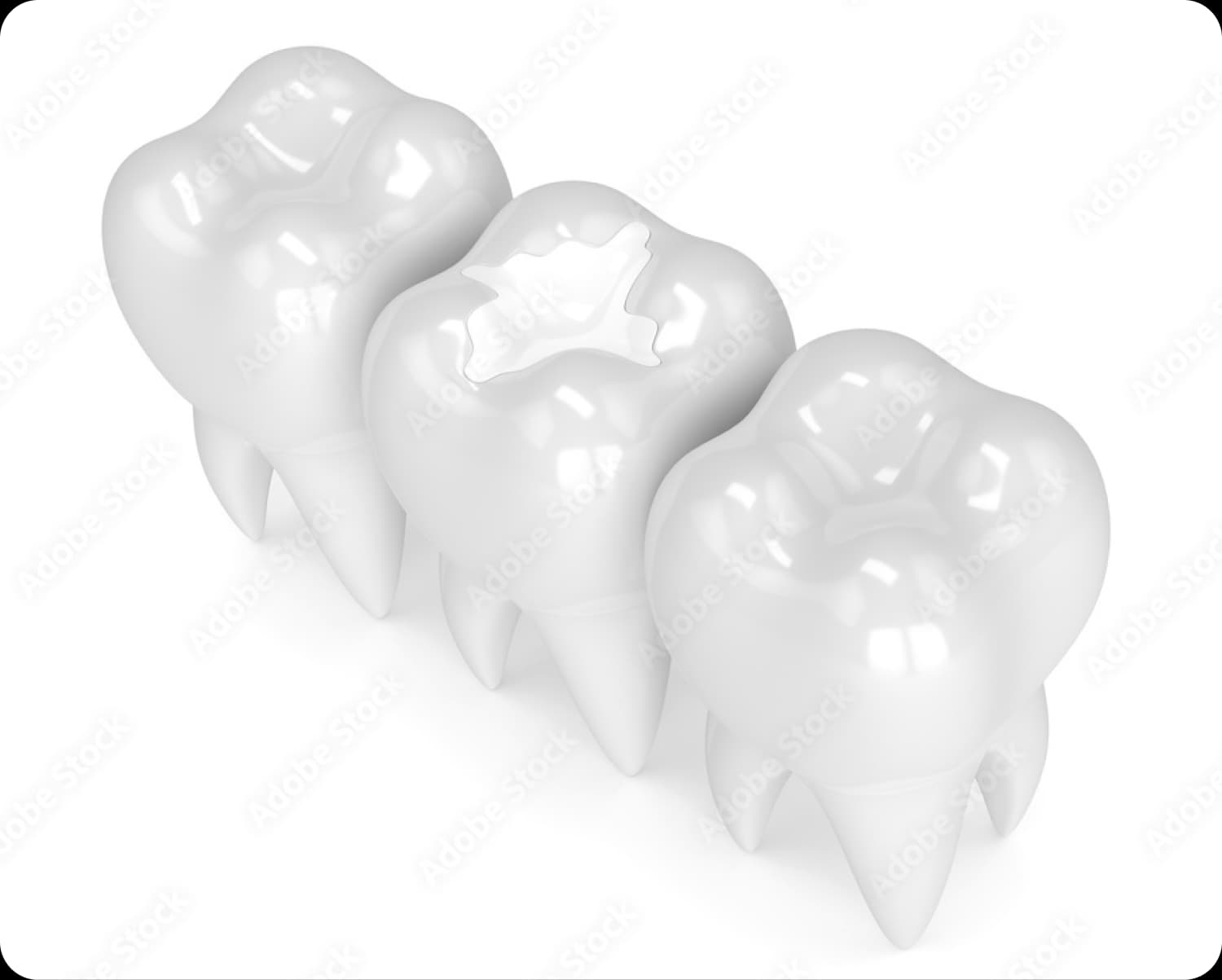
Why fillings fail
Fillings are not permanent, and this is worth knowing rather than treating as a failure of your dentist.
- Decay at the margin, where the filling meets the tooth - the most common reason
- The tooth flexing under load, particularly on large fillings in back teeth
- Grinding, which loads restorations far beyond normal chewing
- Age - materials fatigue, and an old amalgam may have been there for decades
- A crack in the tooth beneath, which sometimes only becomes apparent once the filling is out
The DIY repair kits
Pharmacy temporary filling kits are genuinely useful for a few days - they keep the cavity covered and reduce sensitivity, which is exactly what they are designed for.
The problem is when they become permanent. They are not durable, they do not seal well long-term, and decay carries on underneath. We have seen temporary filling material that had been in place for two years, with a great deal of decay behind it.
Whatever you do, do not use superglue. It is not safe in the mouth, it is toxic to the pulp, and it makes a proper repair considerably harder.
When it is more urgent
Ring sooner rather than later if the tooth is genuinely painful rather than just sensitive, if there is swelling, if you can see a pink or red spot in the middle of the cavity - that is the nerve - or if a piece of the tooth itself came away alongside the filling.
What happens at the appointment
We clean out the cavity, check for decay underneath, and assess how much sound tooth is left. If there is enough, a new filling. If the tooth is now too broken down to support one, we will talk to you about a crown before doing anything.
Occasionally what we find is a crack that was the real reason the filling failed. Better to know.
General information, not a diagnosis. Written and reviewed by Dr Adrian Paul, BDS (Otago), principal dentist at Lakeside Dental Practice, Queenstown. If something is worrying you, see a dentist.