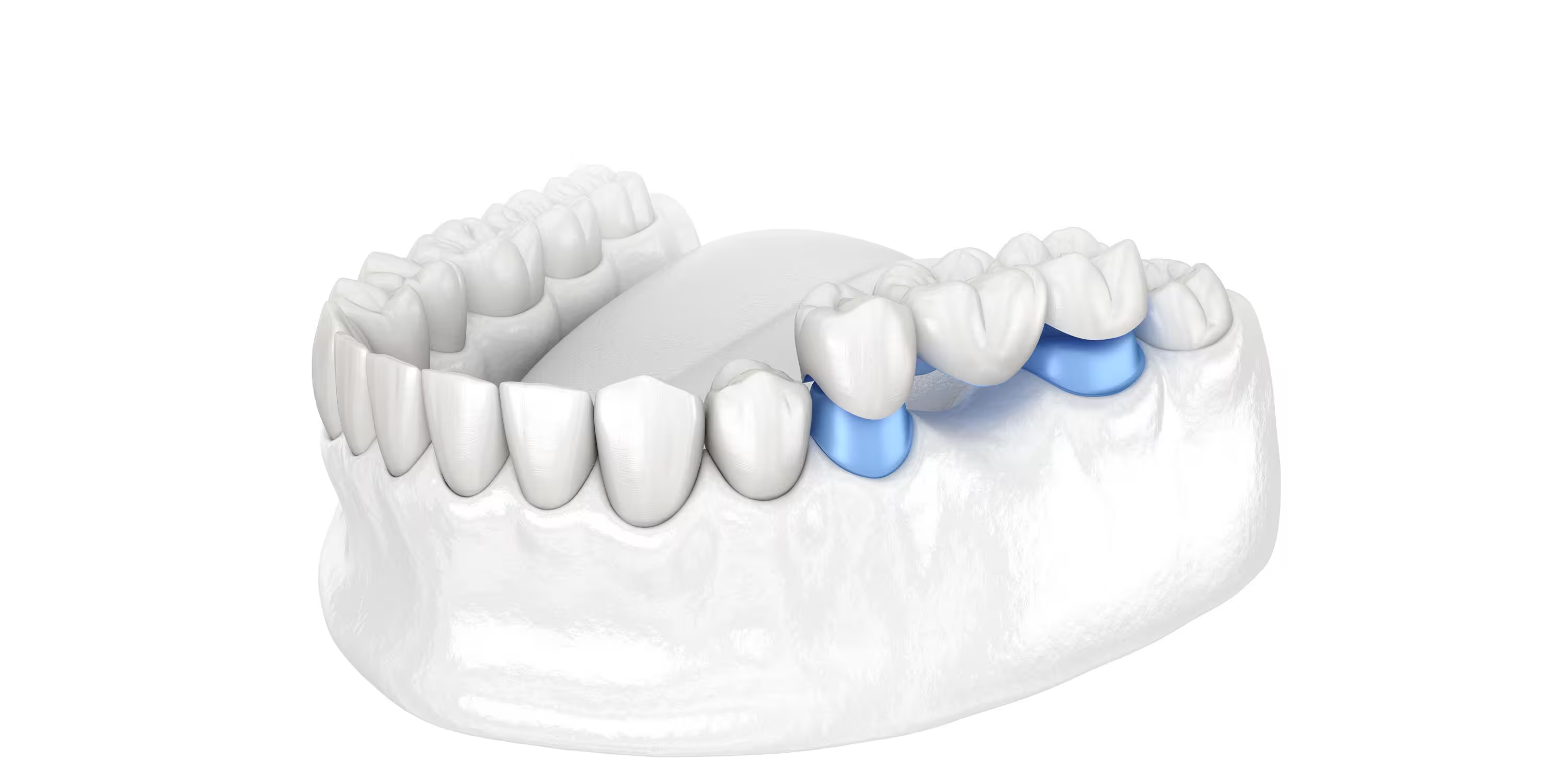

Teeth grinding - bruxism, if you want the word - mostly happens in your sleep, which is why most people who do it have no idea. What they notice instead is the fallout: a jaw that aches in the morning, teeth that have started to feel sensitive, a headache that starts at the temples, or a partner who can hear it from the other side of the bed.
We see a lot of it in Queenstown. Seasonal stress, shared houses, late nights and a fair amount of caffeine and alcohol all feed into it. This is how to tell whether it is happening to you, and what to do about it.
The signs
Some of these you will notice yourself. Some we will spot at a check-up before you do.
- Teeth that look flatter or shorter than they used to, particularly the front ones
- Chips at the edges of teeth, or fillings that keep breaking
- A dull ache in the jaw, cheeks or in front of the ears on waking
- Headaches, often first thing in the morning
- Teeth that have become sensitive to cold for no obvious reason
- A clicking or tired jaw, or difficulty opening wide
- Someone telling you they can hear you grinding at night
Why it matters
Grinding puts a large, sustained force on teeth for hours at a time, night after night. Enamel wears away, teeth crack, fillings fail, and crowns and veneers break. The jaw joint and the muscles around it get overworked, which is where the pain and the headaches come from. Left alone for years, it can shorten the teeth enough to change the way the face looks.
It is also one of the most common reasons an otherwise good crown or veneer fails, which is why we ask about it before doing cosmetic work.
What a night guard does
A night guard is a thin, hard acrylic plate made to fit over your upper or lower teeth while you sleep. It does not stop you grinding - nothing really does - but it puts a durable barrier between the teeth so the guard wears instead of the enamel, and it spreads the force so the jaw muscles do not clench as hard. Most people find the morning jaw ache eases within a couple of weeks.
It is made from impressions of your teeth, so it clips in and stays put. It takes two short visits: one to take the impressions, one to fit and adjust it.

Why the chemist one is not the same
You can buy a boil-and-bite guard from a pharmacy or a sports shop. They are soft, they are thick, and they fit roughly. Two problems follow. A soft, springy surface gives the jaw something to chew against, and for a lot of people that actually encourages more clenching, not less. And because they do not fit well they tend to fall out or get spat out in the night.
A sports mouthguard is the same story - it is designed to absorb one big impact, not hours of grinding, and the two are not interchangeable.
What else helps
A guard protects the teeth. It does not address why you are grinding. Cutting back on caffeine and alcohol in the evening, dealing with stress where you can, and not chewing gum through the day all help. If the jaw is sore, warm compresses and gentle stretching help too.
Grinding is also strongly linked to snoring and sleep apnoea. If you grind, snore, and wake up unrefreshed, that is worth raising - a different appliance that holds the airway open at night can treat all three.
When it is more than a guard
If the jaw is clicking, locking or painful to open, or the headaches are frequent, the joint itself may be involved. That is TMJ dysfunction, and it needs a proper assessment rather than just a guard. It is very treatable, and the earlier it is looked at the simpler it usually is.
If you suspect you grind, mention it at your next check-up, or ring 03 441 8248 to book one. We are at 12 Lake Esplanade in central Queenstown, with free off-street parking.
General information, not a diagnosis. Written and reviewed by Dr Adrian Paul, BDS (Otago), principal dentist at Lakeside Dental Practice, Queenstown. If something is worrying you, see a dentist.