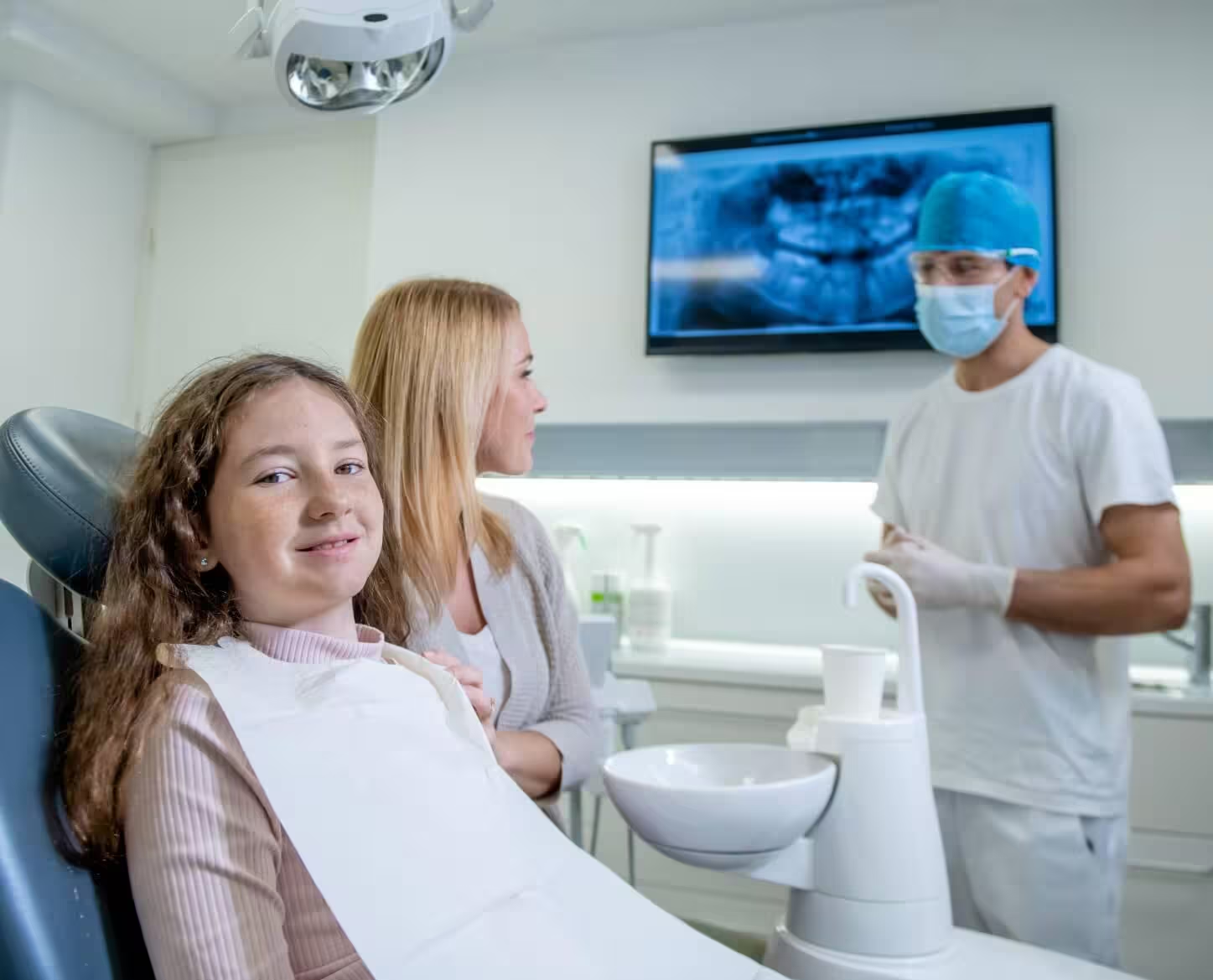
Dental anxiety is one of the most common things we see, and one of the least talked about. Plenty of people have not been to a dentist in five, ten or twenty years because of one bad experience a long time ago. By the time something forces them in, the problem is bigger, the treatment is longer, and the fear has been proved right.
Sedation exists to break that cycle. It is not a last resort and it is not something to be embarrassed about. For a lot of people it is simply the thing that makes treatment possible.
Sedation is not the same as being put to sleep
The first thing to clear up. Dental sedation is not a general anaesthetic. You are not unconscious, you can breathe on your own, and you can respond if we ask you something. What changes is how you feel about it - calm rather than braced, and often with little memory of the appointment afterwards.
Sedation also does not numb the tooth. Local anaesthetic still does that job, and the two together are what makes treatment comfortable. Our whole approach starts with getting the numbing right - topical gel before the injection, a slow technique, and telling you what is about to happen before it does.
The three options
Sedation is not one thing. What suits someone mildly uneasy about an injection is different from what suits someone who has avoided dentists for a decade. We offer three, and we will recommend one after talking to you and going through your medical history.
- Relative analgesia, or happy gas - a mix of nitrous oxide and oxygen breathed through a small nose mask. You stay awake and aware, just noticeably calmer, and it wears off within minutes of the mask coming off. Most people can drive themselves home. Good for mild to moderate anxiety and for children.
- Oral sedation - a tablet taken before the appointment that leaves you drowsy and relaxed. It takes the edge off more deeply than gas, and it lasts longer. You will need someone to drive you home and it is best not to make plans for the rest of the day.
- IV sedation - delivered through a small line in the arm, for deeper relaxation on longer or more involved treatment such as wisdom teeth or several fillings in one visit. Most people remember very little afterwards. You will need someone to take you home and stay with you, and there are fasting instructions beforehand.
Is it safe?
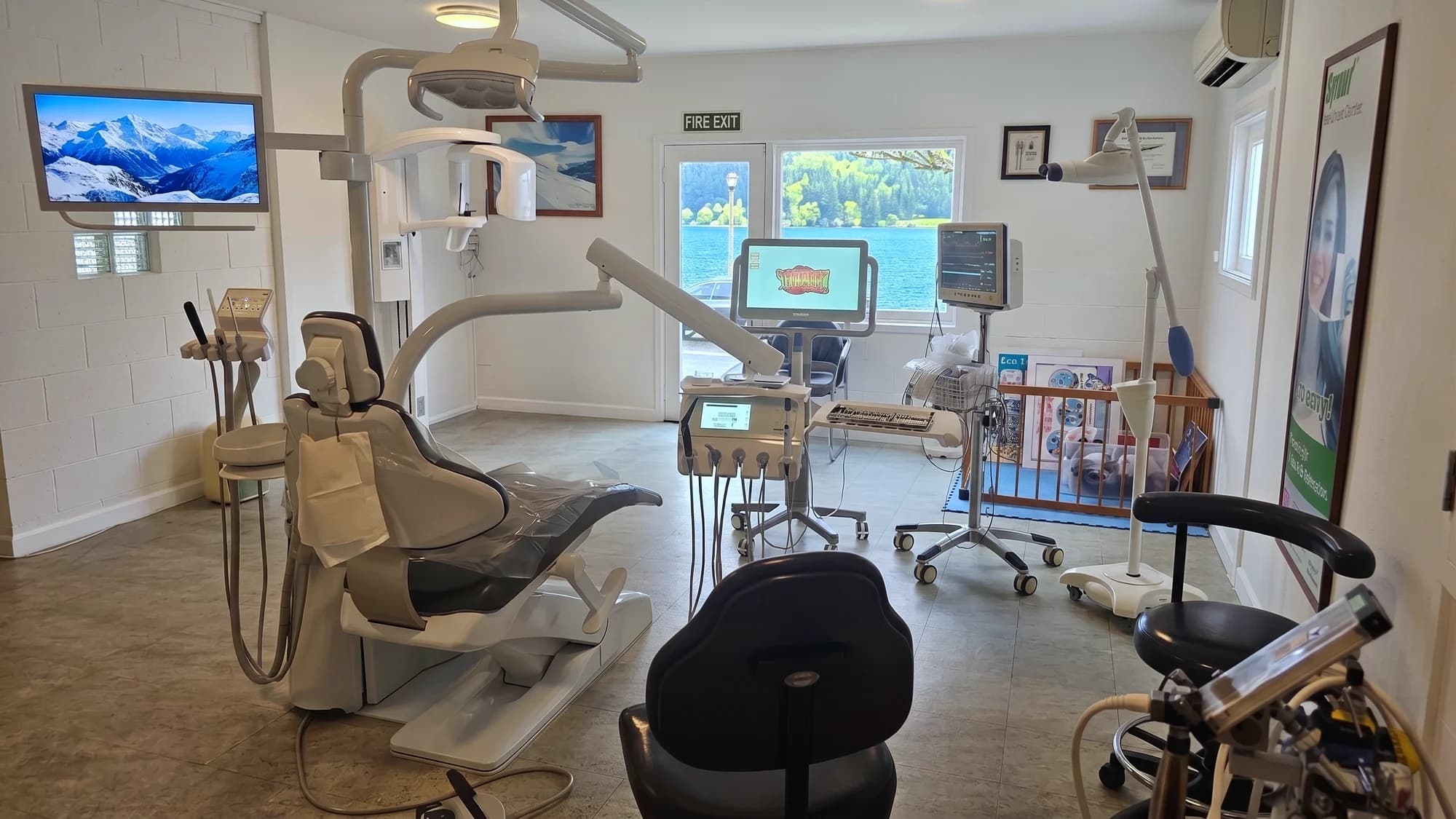
Sedation is widely used in dentistry and has a strong safety record when it is properly assessed and monitored. Before deciding on an option we go through your medical history and any medication you take, and during the appointment you are monitored throughout. If a particular option is not appropriate for you, we will say so and suggest another.
Start with a conversation, not treatment
If you have been away for years, the thought of booking an appointment where something gets done is often the thing that stops you. So do not book that.
Book a consultation instead. You come in, we talk, we have a look at your mouth, and we agree a plan you are comfortable with. Nothing has to be done that day. Knowing that going in changes how the visit feels, and for a lot of people the first appointment turns out to be far less frightening than the years of imagining it.
Tell us about the anxiety when you book rather than on the day. It is a common conversation and nobody is going to lecture you about how long it has been.
What people say afterwards
Dr Adrian Paul has been practising in Queenstown for nearly 25 years, and the thing long-term patients most often mention is the injection technique - built over that time to be as close to painless as it can be. Sedation sits on top of that, not instead of it. The combination is why people who arrived white-knuckled come back for a routine check-up six months later without thinking much about it.
Practical details
Sedation appointments need a little planning - timing, fasting where relevant, and someone to drive you for oral or IV sedation - so mention it when you book. We are at 12 Lake Esplanade in central Queenstown with free off-street parking. Ring 03 441 8248 or send a message and tell us what you are worried about. That is a perfectly good first step.
General information, not a diagnosis. Written and reviewed by Dr Adrian Paul, BDS (Otago), principal dentist at Lakeside Dental Practice, Queenstown. If something is worrying you, see a dentist.